Kharadi & Dhanori, Pune care@hope-cdc.com
Rated 5.0 on Google +91 89833 80814
Home/Social Skills Therapy
Social Skills & Friendships
Social Skills Therapy for Children in Pune

Helping children build friendships, read social cues, and participate confidently — through speech, behaviour, and play-based therapy at Hope CDC.

Ask on WhatsApp
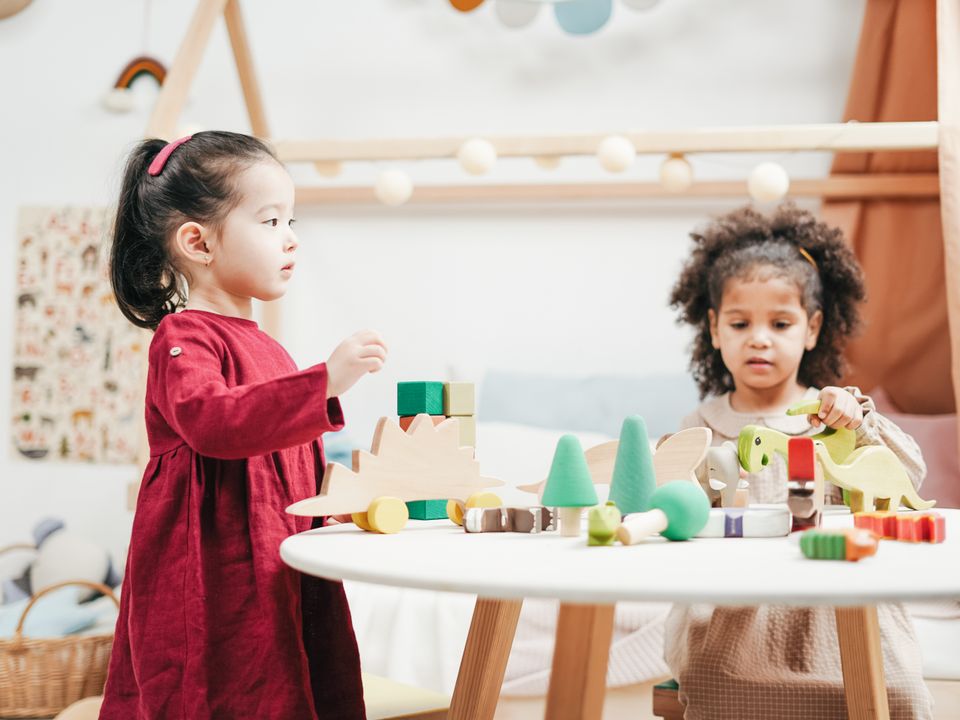
Two children playing together during social skills therapy at Hope CDC, Pune
★★★★★
5.0 · Google
Social &
friendship goals
Understanding social skills difficulties

When making friends feels harder than it should

Some children struggle to join games, share toys, take turns, or read facial expressions — not because they don't want friends, but because social skills need to be learned and practised like any other ability. Parents in Pune often notice this at birthday parties, on the playground, or when teachers report difficulty in group work.

At Hope CDC, social skills support is woven into speech therapy, behaviour therapy, and autism intervention — delivered through structured groups and one-on-one coaching at our Kharadi and Dhanori centres.

Whether your child has autism, ADHD, anxiety, or simply needs extra social coaching, we meet them where they are — without shame or pressure.

Not sure where to start?

Take our free 2-minute screening or book a no-pressure assessment at Kharadi or Dhanori.

Free 2-min Screening
Who it helps

Conditions we support

Social skillsMaking friendsAutism (ASD)ADHDEye contactTurn-takingGroup playPragmatic language
Signs & symptoms

Signs your child may benefit

If several of these feel familiar, a friendly assessment brings clarity.

Difficulty joining peers in play

Prefers solitary play past preschool age

Doesn't notice when others are upset

Interrupts or dominates conversations

Literal understanding — misses jokes or hints

Few or no close friendships at school

Anxiety in social situations

Teacher reports trouble with group activities

When to act

Why social skills therapy matters

Friendships protect children's mental health, school engagement, and self-esteem. Children who struggle socially often withdraw, act out, or develop anxiety that compounds the original difficulty. Targeted therapy teaches concrete skills — greeting peers, asking to join play, managing disappointment — in a safe, supportive setting.

At Hope CDC, we practise real scenarios: waiting turns, losing games gracefully, and reading body language. Progress often shows quickly in classroom participation and family relationships.

Our approach

How we help at Hope CDC

1

Social communication assessment

We observe how your child interacts, communicates, and regulates emotions in structured and play settings.

2

Individualised social goals

Clear targets — eye contact, initiating play, conversation skills — matched to age and ability.

3

Role-play & group activities

Guided practice with therapists and, when appropriate, small peer groups.

4

Home & school strategies

Scripts, visual supports, and teacher communication for real-world carryover.

Common questions

Social Skills Therapy — your questions answered

From preschool onward, whenever social difficulties affect friendships, school, or family life.

No. Children with ADHD, anxiety, speech delays, or shy temperaments may also need social coaching. Assessment clarifies the full picture.

Through speech therapy (pragmatic language), behaviour therapy (regulation and interaction), and structured social groups — often combined.

Not always. We build foundational skills one-on-one first, then introduce small groups when your child is ready.

Yes, with your permission. We can share strategies with teachers for playground and classroom success.
Explore More

Related at Hope CDC

Book a free assessment — no pressure, just answers

Tell us your concern and your child's age. Our specialists will guide you at Kharadi or Dhanori.