Kharadi & Dhanori, Pune care@hope-cdc.com
Rated 5.0 on Google +91 89833 80814
Home/Sensory Integration Therapy
Sensory Processing & Integration

Sensory Integration Therapy in Pune

Expert occupational therapy for sensory processing challenges — helping children regulate, focus, and participate confidently in daily life.

Ask on WhatsApp
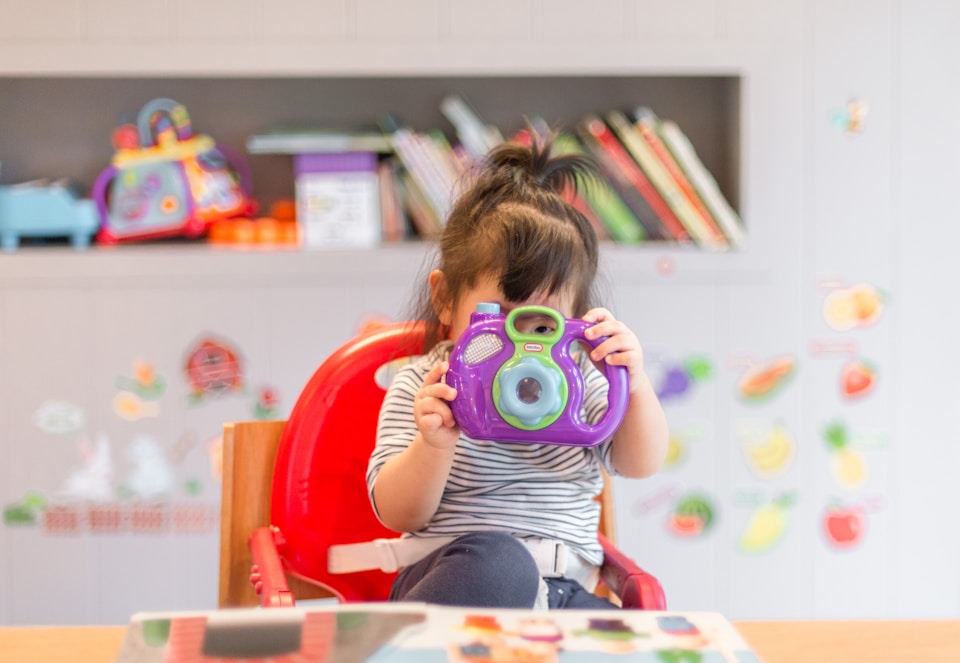
Children exploring textures and fine-motor activities during sensory therapy at Hope CDC, Pune
★★★★★
5.0 · Google
Sensory &
motor goals
Understanding sensory integration

When the world feels too much — or not enough

Some children are overwhelmed by sounds, textures, or bright lights. Others seek constant movement, deep pressure, or spinning. These patterns often point to sensory processing differences — and sensory integration therapy in Pune can help.

At Hope CDC, sensory integration is delivered by licensed paediatric occupational therapists using specialised equipment — swings, climbing walls, therapy balls, and structured sensory diets — in purpose-built rooms at our Kharadi and Dhanori centres.

We support children with autism, ADHD, sensory processing disorder (SPD), developmental delays, and anxiety-related sensory challenges — always through play-based, child-led sessions.

Not sure where to start?

Take our free 2-minute screening or book a no-pressure assessment at Kharadi or Dhanori.

Free 2-min Screening
Who it helps

Conditions we support

Sensory processing disorderAutism (ASD)ADHDSensory seekingSensory avoidingMeltdownsMotor coordinationSelf-regulation
Signs & symptoms

Signs your child may benefit

If several of these feel familiar, a friendly assessment brings clarity.

Extreme reactions to sounds, textures or lights

Constant movement — can't sit still

Avoids messy play, haircuts, or nail cutting

Seeks crashing, spinning or deep pressure

Difficulty with feeding or clothing textures

Meltdowns in busy or noisy environments

Poor body awareness — bumps into things

Struggles with attention linked to sensory overload

When to act

Why sensory integration therapy helps

The sensory system is the foundation for attention, behaviour, and learning. When a child's brain struggles to process sensory input, everyday activities — school, meals, outings — become battles. OT helps rewire these responses through graded, therapeutic sensory experiences.

Parents often report fewer meltdowns, better sleep, and improved focus within weeks of starting a consistent sensory programme.

Our approach

How we help at Hope CDC

1

Sensory & motor assessment

We identify whether your child seeks, avoids, or has mixed sensory responses — and how it affects daily life.

2

Individual sensory plan

A tailored programme of activities targeting regulation, coordination, and tolerance.

3

Sensory gym sessions

Structured play on swings, climbing equipment, and tactile activities in our therapy rooms.

4

Sensory diet for home

A practical daily schedule of calming or alerting activities for home and school.

Common questions

Sensory Integration — your questions answered

A form of occupational therapy that helps the brain process and respond to sensory input — touch, movement, sound, and visual information — more effectively.

Not always. Many children with autism have sensory differences, but sensory challenges also occur in ADHD and without any other diagnosis.

As early as 2–3 years, once sensory differences are affecting daily routines, behaviour, or learning.

Both centres have sensory gyms with swings, climbing equipment, and specialised OT tools for paediatric sensory integration.

Sessions are play-based. Most children love the sensory gym — therapy feels like the best kind of play.
Explore More

Related at Hope CDC

Book a free assessment — no pressure, just answers

Tell us your concern and your child's age. Our specialists will guide you at Kharadi or Dhanori.