Kharadi & Dhanori, Pune care@hope-cdc.com
Rated 5.0 on Google +91 89833 80814
Home/Handwriting Difficulties
Handwriting & Fine Motor Skills

Handwriting Difficulties in Children — OT Help in Pune

Expert occupational therapy for messy, slow, or painful handwriting — building pencil control, letter formation, and writing confidence at school.

Ask on WhatsApp
Child practising fine motor control and pre-writing skills through guided painting at Hope CDC, Pune
★★★★★
5.0 · Google
Fine motor &
writing goals
Understanding handwriting difficulties

When writing doesn't match your child's ability

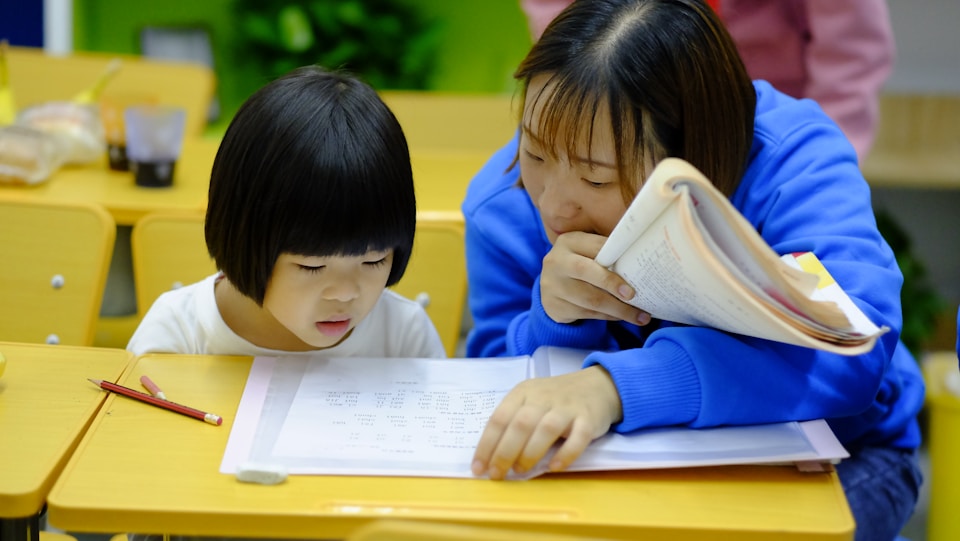
Your child may be bright and articulate but produce messy, slow, or illegible handwriting. Letters are reversed, words float off the line, or their hand tires after a few sentences. Teachers say "try harder" — but handwriting difficulties usually have underlying motor, sensory, or coordination causes that benefit from occupational therapy.

At Hope CDC in Pune, our paediatric OTs assess pencil grip, hand strength, visual-motor integration, posture, and sensory factors — then build a targeted programme at our Kharadi and Dhanori centres.

Handwriting support often works alongside remedial education when learning difficulties are also present — coordinated by one team.

Not sure where to start?

Take our free 2-minute screening or book a no-pressure assessment at Kharadi or Dhanori.

Free 2-min Screening
Who it helps

Conditions we support

Poor pencil gripLetter reversalsSlow writingMessy handwritingHand fatigueVisual-motor skillsDysgraphiaSchool readiness
Signs & symptoms

Signs your child may benefit

If several of these feel familiar, a friendly assessment brings clarity.

Illegible or very messy writing despite effort

Awkward pencil grip (fist, thumb-wrap)

Letters reversed (b/d, p/q) past age 7

Avoids writing or homework

Hand cramps or fatigue quickly

Difficulty staying on lines

Slow compared to classmates

Better at oral work than written work

When to act

Why OT helps handwriting — not just practice sheets

Copying rows of letters rarely fixes handwriting when the root issue is weak fine motor control, poor core stability, or visual-motor integration. OT addresses the foundation — hand strength, finger dexterity, posture, and eye-hand coordination — so writing becomes physically easier.

Children who receive the right support often show noticeable improvement within weeks, along with renewed confidence in classroom tasks.

Our approach

How we help at Hope CDC

1

Fine motor & writing assessment

We evaluate grip, strength, letter formation, visual-motor skills, and posture.

2

Targeted OT plan

Exercises for hand arches, finger isolation, wrist stability, and correct grip patterns.

3

Structured writing practice

Multisensory letter formation — sand, chalk, air writing — before paper tasks.

4

School & home strategies

Pencil adaptations, paper position, breaks, and classroom accommodations.

Common questions

Handwriting Difficulties — your questions answered

By age 7–8, most children write recognisable letters. Persistent messiness or reversals beyond this may warrant OT assessment.

Not necessarily. Dyslexia is a reading/spelling disorder. Poor handwriting alone may be dysgraphia or a motor coordination issue — OT can clarify.

Sometimes, as part of a broader programme. Our OTs assess whether grips, slant boards, or adapted pencils are appropriate.

OT builds the motor and sensory foundation for writing. Remedial education addresses learning content. Many children benefit from both.

Yes. While early intervention is ideal, older children and pre-teens still make meaningful gains with structured OT.
Explore More

Related at Hope CDC

Book a free assessment — no pressure, just answers

Tell us your concern and your child's age. Our specialists will guide you at Kharadi or Dhanori.