Kharadi & Dhanori, Pune care@hope-cdc.com
Rated 5.0 on Google +91 89833 80814
Home/Dyslexia Treatment
Dyslexia & Learning Difficulties
Dyslexia Treatment & Remedial Classes in Pune

Specialised remedial education for children with dyslexia and learning difficulties — building reading, writing, spelling and confidence with expert special educators.

Ask on WhatsApp
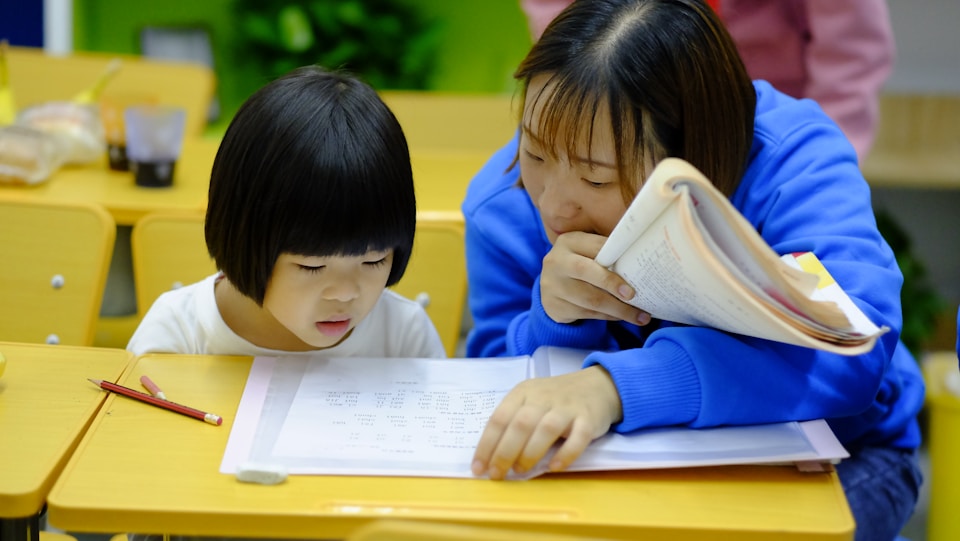
Special educator working one-on-one with a child on reading and writing at Hope CDC, Pune
★★★★★
5.0 · Google
Learning
support plan
Understanding dyslexia

Bright children who struggle to read and write

Dyslexia affects how the brain processes written language — not intelligence. Many children with dyslexia are creative, articulate, and capable — yet struggle with reading, spelling, and writing despite good teaching and effort.

Hope CDC's dyslexia treatment programme in Pune uses evidence-based remedial education techniques — multisensory reading approaches, phonics, writing strategies, and memory support — delivered by qualified special educators at our Kharadi and Dhanori centres.

We also support broader learning difficulties (SLD), dyscalculia, and children with ADHD or autism who need extra learning support alongside therapy.

Not sure where to start?

Take our free 2-minute screening or book a no-pressure assessment at Kharadi or Dhanori.

Free 2-min Screening
Who it helps

Conditions we support

DyslexiaSLDDyscalculiaReading difficultiesWriting difficultiesADHD & learningSchool supportStudy skills
Signs & symptoms

Signs your child may benefit

If several of these feel familiar, a friendly assessment brings clarity.

Slow, effortful reading despite intelligence

Confuses letter order (b/d, was/saw)

Spells the same word differently

Avoids reading aloud or homework

Strong oral skills but weak written work

Difficulty remembering sequences

Maths struggles alongside reading

Teacher reports 'not trying' — but child is trying hard

When to act

Why remedial support matters early

Without the right support, children with dyslexia often lose confidence, avoid schoolwork, and fall further behind. Early remedial intervention teaches strategies that last a lifetime — and restores self-esteem before negative patterns set in.

Our special educators work closely with parents and can guide conversations with your child's school about accommodations and support.

Our approach

How we help at Hope CDC

1

Learning assessment

We identify specific reading, writing, spelling, and maths difficulties — and your child's learning style.

2

Individual remedial plan

Targeted goals using multisensory, structured literacy approaches.

3

One-on-one teaching sessions

Patient, encouraging instruction at your child's pace — never rushed.

4

School & home coordination

Strategies for homework, exams, and classroom accommodations.

Common questions

Dyslexia Treatment — your questions answered

Signs often appear when reading instruction begins (ages 5–7), but assessment can happen at any age. Earlier support is better.

Dyslexia is lifelong, but children learn highly effective strategies. With remedial education, most children read and write competently and confidently.

A diagnosis helps, but isn't required to start. If your child struggles with reading and writing, an assessment is worthwhile.

Tuition repeats classroom content. Remedial education addresses the underlying processing difficulty with specialised teaching methods.

Yes. We coordinate with OT, speech, and behaviour teams when children need multi-disciplinary support.
Explore More

Related at Hope CDC

Book a free assessment — no pressure, just answers

Tell us your concern and your child's age. Our specialists will guide you at Kharadi or Dhanori.